A lightweight browser with old-school speed
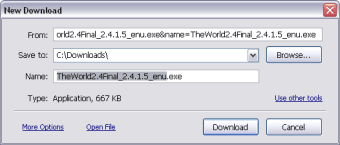
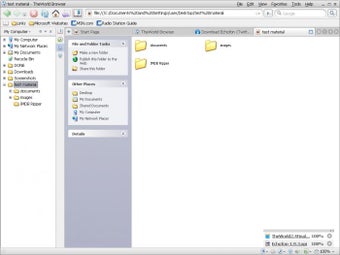
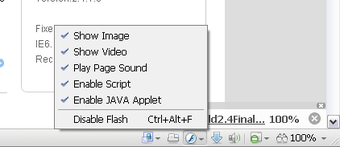
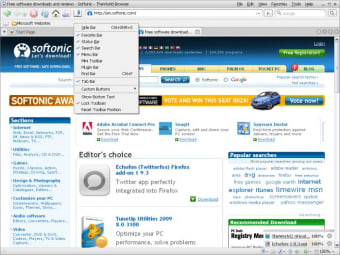
TheWorld Browser, developed by Phoenix Studio, is a free browser built around stability, low resource use, and a compact browsing experience. Classic releases use an IE-compatible engine with a multi-threaded frame design that helps keep one frozen page from taking down the whole session. It also includes built-in ad filtering, pop-up blocking, a download manager, mouse gestures, and skin support for users who prefer a leaner setup.
Top Recommended Alternative

What is TheWorld Browser used for?
TheWorld Browser targets efficient, stable browsing by focusing on a small memory footprint and simple navigation tools. It works best for users who want a lightweight browser for older or lower-spec setups, especially when basic browsing matters more than modern extension depth. Its multi-threaded frame design remains its strongest technical hook, since it helps preserve the main window when one tab becomes unresponsive.
Many tabs, fewer tantrums
Stability under tab stress is a core strength because the browser was designed to reduce full-session crashes caused by a single failed page. Its ad filtering and pop-up blocking also help cut down distracting page elements, which can make browsing feel cleaner on modest hardware. However, this does not make it a modern security-focused browser, and users expecting current browser protections need to treat it as a legacy option.
Custom tricks, classic limits
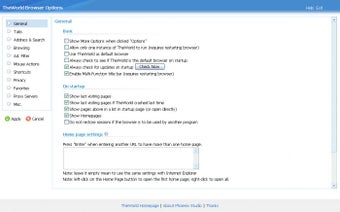
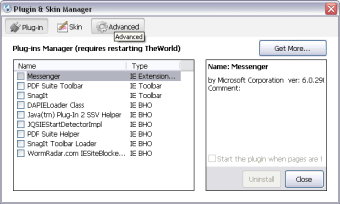
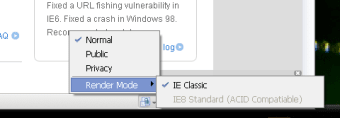
Customization and compatibility are practical but limited. TheWorld Browser supports skins, mouse gestures, bookmark tools, and some IE-style add-ons in classic releases. Later builds moved closer to Chromium-based browsing, but the overall ecosystem does not match the extension depth of today’s major browsers. That makes it useful for simple, lightweight browsing, yet less appealing for users who rely on modern add-ons and frequent updates.
Still useful, but not your daily driver
TheWorld Browser is a sensible pick for users who want a small, stable legacy browser with built-in tools and a customizable interface. Its low-resource design and tab-isolation approach remain useful, especially on older setups. However, limited extension support and a slower update cadence keep it from being the best choice as a primary browser for modern web use.